
@SmirnoffSA@OfficialRGB#IWannaExploreTheNight#WIN#ExploreTheNight Having an epic night out with my crew.
Stop all alcohol advertising
@SmirnoffSA@OfficialRGB#IWannaExploreTheNight#WIN#ExploreTheNight Having an epic night out with my crew.
We talk to our Chief Medical Advisor, Professor Paul Wallace to find out the facts about alcohol and breast cancer.
When asked to name the main health effects of drinking too much alcohol, many people will first say liver disease. Others will mention heart disease. Some will name mental health issues. Cancers are often low down on the public’s alcohol effects list.
But they shouldn’t be – especially breast cancer.
It is clear from a number of large scale studies that there is a link between alcohol consumption and cancer. Globally, one in five (21.6%) of all alcohol-related deaths are due to cancer. (1) And breast cancer is the most common cancer among women (2) and second only to lung cancer as a cause of cancer death in women. (3)
Professor Paul Wallace, Drinkaware’s Chief Medical Advisor, believes that more people should know that alcohol can increase women’s risk of getting breast cancer.
“My impression is that my patients don’t know about the link between alcohol and breast cancer any more than they do about the association between alcohol and fertility. We can do more to increase awareness.”
We spoke to Professor Wallace to get the facts about alcohol and breast cancer and learnt that:
Although alcohol does increase the risk, taken with all the other factors, its contribution to overall causation of breast cancer is estimated to be about 4%. The advice is that if you do regularly drink it should be within the government’s lower risk guidelines.
Alcohol can make people lose their inhibitions and behave impulsively, so it can lead to actions they might not otherwise have taken – including self-harm and suicide (3).
According to the NHS in Scotland, more than half of people who ended up in hospital because they’d deliberately injured themselves said they’ve drunk alcohol immediately before or while doing it. 27% of men and 19% of women gave alcohol as the reason for self-harming (4).
Extreme levels of drinking (such as more than 30 units per day for several weeks) can occasionally cause ‘psychosis’. It’s a severe mental illness where hallucinations and delusions of persecution develop. Psychotic symptoms can also occur when very heavy drinkers suddenly stop drinking and develop a condition known as ‘delirium tremens’ – symptoms include body tremors and confusion.
If you drink heavily and regularly you’re likely to develop some symptoms of depression. It’s that good old brain chemistry at work again. Regular drinking lowers the levels of serotonin in your brain – a chemical that helps to regulate your mood.
In Britain, people who experience anxiety or depression are twice as likely to be heavy or problem drinkers. For some people, the anxiety or depression came first and they’ve reached for alcohol to try to relieve it. For others, drinking came first, so it may be a root cause of their anxieties (2).
Drinking heavily can also affect your relationships with your partner, family and friends. It can impact on your performance at work. These issues can also contribute to depression.
If you use drink to try and improve your mood or mask your depression, you may be starting a vicious cycle…
Warning signs that alcohol is affecting your mood include:
How does alcohol affect your sleep? Tips for a restful night
1. Use exercise and relaxation to tackle stress instead of alcohol.
2. Learn breathing techniques to try when you feel anxious.
3. Talk to someone about your worries. Don’t try and mask them with alcohol.
4. Always be aware of why you’re drinking. Don’t assume it will make a bad feeling go away, it’s more likely to exaggerate it.
Unfortunately reaching for a drink won’t always have the effect you’re after.
While a glass of wine after a hard day might help you relax, in the long run it can contribute to feelings of depression and anxiety and make stress harder to deal with. This is because regular, heavy drinking interferes with neurotransmitters in our brains that are needed for good mental health.
When we drink, we narrow our perception of a situation and don’t always respond to all the cues around us. If we’re prone to anxiety and notice something that could be interpreted as threatening in the environment, we’ll hone in on that and miss the other less threatening or neutral information. For example, we might focus on our partner talking to someone we’re jealous of, rather than notice all the other people they’ve been chatting to that evening.

Coors Light México
@coorslightmx 2 hours ago¡Ellos subastaron en nuestra Store y ganaron un viaje al
#AmericanSummer en Puerto Rico!
Our brains rely on a delicate balance of chemicals and processes. Alcohol is a depressant, which means it can disrupt that balance, affecting our thoughts, feelings and actions – and sometimes our long-term mental health. This is partly down to ‘neurotransmitters’, chemicals that help to transmit signals from one nerve (or neuron) in the brain to another.
The relaxed feeling you can get when you have that first drink is due to the chemical changes alcohol has caused in your brain. For many of us, a drink can help us feel more confident and less anxious. That’s because it’s starting to depress the part of the brain we associate with inhibition.
But, as you drink more, more of the brain starts to be affected. It doesn’t matter what mood you’re in to start with, when high levels of alcohol are involved, instead of pleasurable effects increasing, it’s possible that a negative emotional response will take over. You could become angry, aggressive, anxious or depressed.
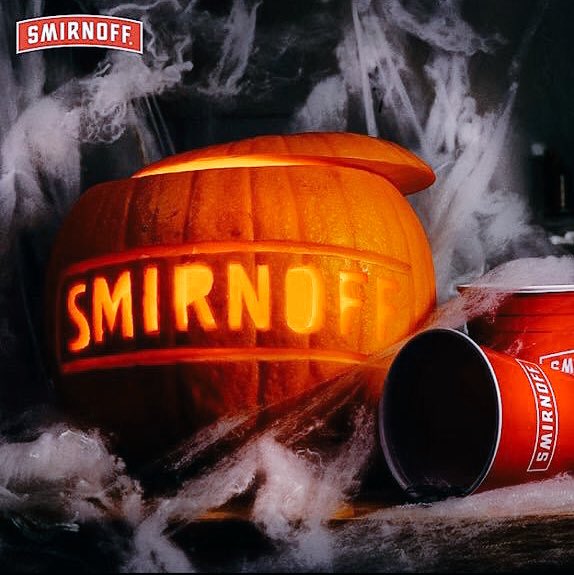
With Halloween around the corner we’ll be running some spooktacular competitions!
#SIDB

Absolut is made exclusively from natural ingredients, and unlike other vodkas, it doesn’t contain any added sugar. In fact, Absolut is as pure as vodka can be.


 Mindaware