
Does wine drinking put your teeth at risk?
#wine#winechat#winelover http://ind.pn/1HZs8ec
Stop all alcohol advertising
Does wine drinking put your teeth at risk?
#wine#winechat#winelover http://ind.pn/1HZs8ec
Does wine drinking put your teeth at risk?
#wine#winechat#winelover http://ind.pn/1HZs8ec
Does wine drinking put your teeth at risk?
#wine#winechat#winelover http://ind.pn/1HZs8ec

 🥂 #AbuDhabiGP #LiveClicquot
🥂 #AbuDhabiGP #LiveClicquot
It’s not a proper party until the bottle pops!
#weekend#party#taittingertime#champagne#taittinger
Does wine drinking put your teeth at risk?
#wine#winechat#winelover http://ind.pn/1HZs8ec
How much sugar is in alcohol and how does it affect the body?
The fact that alcoholic drinks are full of empty calories and have no nutritional value is bad news for your waistline, but what many people don’t consider is that they’re also full of sugar.
A pint of cider can contain as many as five teaspoons of sugar – almost as much as the World Health Organisation recommends that you do not exceed per day! (1) What’s more, alcohol can negatively alter blood sugar levels, putting heavy drinkers at increased risk of diabetes.
Too much sugar is bad for your heath in a number of ways. Firstly, it’s very high in calories, and excessive consumption can lead to unhealthy weight gain. Being overweight can make you more susceptible to long term health problems, including life threatening illnesses such as heart disease. A high-sugar diet can also lead to type 2 diabetes, which occurs when a person’s blood sugar levels are too high.
Quite apart from the damage it can do to your body, sugar is also the main cause of tooth decay, which can lead to cavities if left untreated.
According to the NHS, alcoholic drinks account for 11% of the UK population’s daily intake of added sugar. Despite this, many people forget to factor in what they drink when calculating daily sugar intake. All alcoholic beverages contain some sugar, but Dr Sarah Jarvis, a member of Drinkaware’s medical panel, identifies fortified wines, sherries, liqueurs and cider as being particular causes of excessive consumption. It’s also important to consider what you’re mixing your drinks with, as the carbonated drinks popular with spirits are often very high in sugar.
However, it’s not only the high sugar content of alcohol that can affect your body – drinking to excess has also been shown to have a negative effective on blood sugar.
When a person drinks alcohol, the body reacts to it as a toxin, and channels all energy into expelling it. This means that other processes are interrupted – including the production of glucose and the hormones needed to regulate it. This is most noticeable in heavy drinkers, as over time drinking too much alcohol decreases the effectiveness of insulin, which leads to high blood sugar levels.
Alcohol also affects blood sugar levels each time it’s consumed, which means occasional drinkers can also be negatively impacted. Alcohol consumption causes an increase in insulin secretion, which leads to low blood sugar (otherwise known as hypoglycaemia). This causes light headedness and fatigue, and is also responsible for a host of longer term health problems.

Last night,
#GREYGOOSE and@PunchRoomLDN served a delicious#GREYGOOSE punch of the day for guests,@EDITIONLondon.

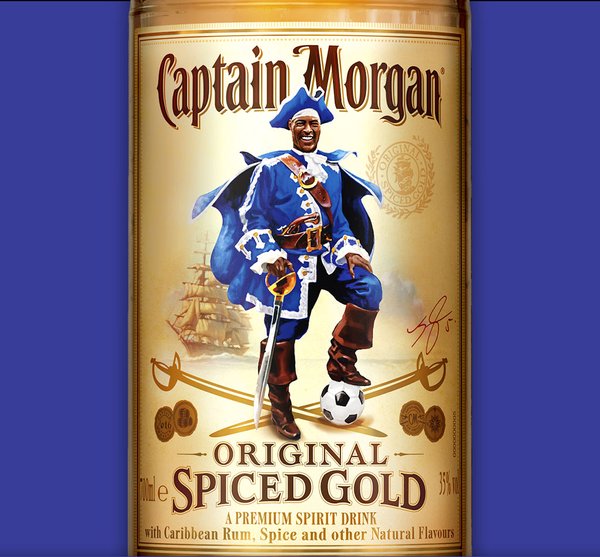
 Captain Morgan
  Mindaware