
The King of the Pines has to get the biggest
. Send us
#CarlingChristmasSnaps of that guy and you could win.
 Carling
Stop all alcohol advertising
The King of the Pines has to get the biggest
#CarlingChristmasSnaps of that guy and you could win.
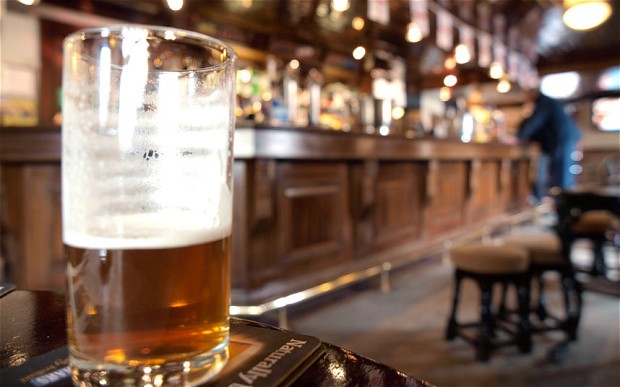
They have been set too high and fail to take into account new evidence showing that drinking only modest amounts raises the risk of cancer and other diseases.
The issue is investigated as part of a three-part You & Yours documentary into Government guidelines on alcohol, diet and exercise, being aired over the next three days (starting January 2) on BBC Radio 4.
The current guidelines recommend men should limit themselves to “three to four units a day”, which NHS information alikens to “not much more than a pint of strong lager, beer or cider”.
Women should not regularly drink more than “two to three units a day”, equivalent to “no more than a standard 175ml glass of wine”.
New research published last year suggests consumption should be much lower – perhaps just a quarter of a pint of beer daily.
Dr Michael Mosley, who looked into the matter for the radio documentary, found the guidelines were based on limited data on the harms of low to moderate level drinking.
They were formulated in 1987 by a Royal College of Physicians working party. In 2007 Richard Smith, one of the members of the group and a former editor of the British Medical Journal, was quoted as saying they could not say what a safe limit was, because of this lack of data.
“Those limits were really plucked out of the air,” he said.
“They were not based on any firm evidence at all. It was a sort of intelligent guess by a committee.”
Dr Mosley said the Government had “presented these guidelines as if they are about health, but they’re really not”.
“They’re more about behaviour, trying to stop you going out and crashing the car, or fighting,” he told The Times.
New evidence suggests regularly drinking only small amounts of alcohol can raise the risk of various cancers.
A Harvard University study, published in the Journal of the American Medical Association in 2011, found that women who drank just four small glasses of wine a week – about five units – increased their risk of developing breast cancer by 15 per cent compared to teetotallers.
Another study published that year estimated alcohol caused about 13,000 cancers a year – including 6,000 of the mouth and throat, 3,000 bowel cancer cases and 2,500 of breast cancer.
And last May, scientists published research recommending that people should cut their consumption to just 50ml of wine a day, or quarter of a pint of beer.
If everyone limited their intake in this way, 4,600 lives a year would be saved, they calculated, even after accounting for about 850 extra deaths from heart disease.
There would be 2,600 fewer deaths from cancer and almost 3,000 less from liver cirrhosis, they found.
Dr Nick Sheron, a liver specialist at Southampton University, said: “The problem I have with the Government advice is that is normalises the fact that it’s OK to have a drink on a daily basis, when that’s really not the case.”
Dame Sally Davies, the Chief Medical Officer for England, is currently reviewing the evidence on the risks of drinking, said a Department of Health spokesman.
She said: “The health risks from alcohol rise as you drink more and there is some evidence that small amounts of alcohol can reduce some health risks.
“To look at whether the system is still helpful to people, the Chief Medical Officer is set to review the alcohol consumption guidelines.”
By Stephen Adams, Medical Correspondent
1.49PM GMT 01 Jan 2013
http://www.telegraph.co.uk/news/health/news/9774223/Alcohol-guidelines-too-high-say-doctors.html
#JackRocks@thenestbath tomo with the “guitar driven authentic music” of@jakemeeking. Sounds right up our street!
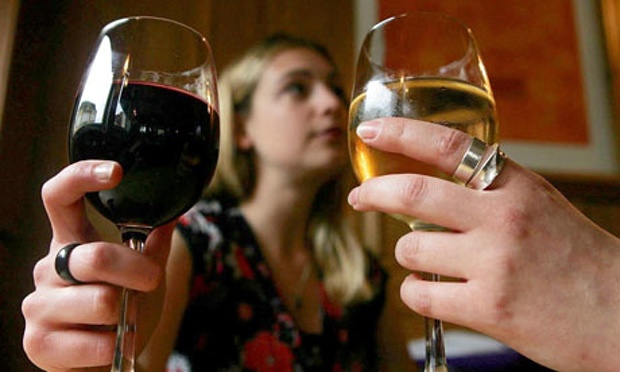
The idea that drinking small amounts of alcohol will do you no harm is a myth, claims Professor David Nutt
Last week I attended a discussion group chaired by the Observer’s health correspondent Denis Campbell where one of the other experts, a public health doctor, asserted that alcohol should be treated differently from tobacco (and by inference other drugs) because there is no safe dose of tobacco whereas alcohol is safe until a person’s drinking gets to “unsafe” levels. Its health benefits for the cardiovascular system are also often used to support the claim that in low doses alcohol is safe, for how else could it be health-promoting?
The myth of a safe level of drinking is a powerful claim. It is one that many health professionals appear to believe in and that the alcohol industry uses to defend its strategy of making the drug readily available at low prices. However, the claim is wrong and the supporting evidence flawed.
There is no safe dose of alcohol for these reasons:
We must not allow apologists for this toxic industry to pull the wool over our eyes with their myth of a safe alcohol dose, however appealing it might be to all us so-called “safe” drinkers. Remember these words of a man whose great family wealth and influence was built on illegal alcohol:
“The great enemy of the truth, is very often not the lie – deliberate, contrived and dishonest – but the myth – persistent, persuasive and unrealistic. Belief in myths allows the comfort of opinion without the discomfort of thought.” John F Kennedy
David Nutt is professor of neuropsychopharmacology at Imperial College London and chairs the Independent Scientific Committee on Drugs
http://www.theguardian.com/science/2011/mar/07/safe-level-alcohol-consumption
How much sugar is in alcohol and how does it affect the body?
The fact that alcoholic drinks are full of empty calories and have no nutritional value is bad news for your waistline, but what many people don’t consider is that they’re also full of sugar.
A pint of cider can contain as many as five teaspoons of sugar – almost as much as the World Health Organisation recommends that you do not exceed per day! (1) What’s more, alcohol can negatively alter blood sugar levels, putting heavy drinkers at increased risk of diabetes.
Too much sugar is bad for your heath in a number of ways. Firstly, it’s very high in calories, and excessive consumption can lead to unhealthy weight gain. Being overweight can make you more susceptible to long term health problems, including life threatening illnesses such as heart disease. A high-sugar diet can also lead to type 2 diabetes, which occurs when a person’s blood sugar levels are too high.
Quite apart from the damage it can do to your body, sugar is also the main cause of tooth decay, which can lead to cavities if left untreated.
According to the NHS, alcoholic drinks account for 11% of the UK population’s daily intake of added sugar. Despite this, many people forget to factor in what they drink when calculating daily sugar intake. All alcoholic beverages contain some sugar, but Dr Sarah Jarvis, a member of Drinkaware’s medical panel, identifies fortified wines, sherries, liqueurs and cider as being particular causes of excessive consumption. It’s also important to consider what you’re mixing your drinks with, as the carbonated drinks popular with spirits are often very high in sugar.
However, it’s not only the high sugar content of alcohol that can affect your body – drinking to excess has also been shown to have a negative effective on blood sugar.
When a person drinks alcohol, the body reacts to it as a toxin, and channels all energy into expelling it. This means that other processes are interrupted – including the production of glucose and the hormones needed to regulate it. This is most noticeable in heavy drinkers, as over time drinking too much alcohol decreases the effectiveness of insulin, which leads to high blood sugar levels.
Alcohol also affects blood sugar levels each time it’s consumed, which means occasional drinkers can also be negatively impacted. Alcohol consumption causes an increase in insulin secretion, which leads to low blood sugar (otherwise known as hypoglycaemia). This causes light headedness and fatigue, and is also responsible for a host of longer term health problems.

Why do we mellow each drop through ten feet of charcoal? Because Mr. Jack did. #borntomakewhiskey

Signing off by celebrating tonight with
@Budweiser!Thanks for following yall!#wmebudbash#CMAawards#ThisBudsForYou
Baileys Prize
@BaileysPrize 12 minutes agoCan’t make it to our Best of Best Live event? Watch the live stream with a Baileys in hand: http://bit.ly/1f5tcyf

Johnnie Walker ID
@JohnnieWalkerID 12 minutes agoWalk with joy and attract more happiness. Karena apa yg kamu tanam adl yg akan kamu tuai.#JoyWillTakeYouFurtherID
Information and advice for mothers-to-be who have questions about alcohol during pregnancy.
When you’re pregnant it can seem like you are being bombarded with information.
There are hundreds of leaflets, books, magazines and websites all about what to do and not to do for the next nine months of your life. Sometimes it’s hard to know where to go for trustworthy advice. This is especially true when it comes to knowing how much you can drink when you’re pregnant.
Read on to cut through the confusion and find out the key truths about alcohol and pregnancy.
The Department of Health recommends that pregnant women, or women trying for a baby, should avoid alcohol altogether.
If they do choose to drink, to minimise risk to the baby, the government’s advice is to not have more than one to two units of alcohol once or twice a week, and not to get drunk.
The National Institute for Health and Clinical Excellence (NICE) is the independent organisation responsible for providing national guidance on promoting good health and preventing and treating ill health.
NICE additionally advises that the risks of miscarriage in the first three months of pregnancy mean that it is particularly important for women not to drink alcohol at all during that period (1). However, it is important to understand that drinking should be kept within the recommended guidelines throughout the whole pregnancy, not only for the first three months.
Scientists aren’t sure about the precise impact drinking small amounts of alcohol can have on unborn babies. They do know, however, that high alcohol consumption can be harmful during pregnancy (2).
So, you might decide that the safest option for you is to avoid alcohol for nine months. Of course, it’s your body and your choice.
If you do decide to drink when you’re pregnant, it is extremely important that you know what a unit of alcohol actually is. For example, a standard glass of 175ml wine contains more than two units. The government’s lower risk guidelines recommend that men do not regularly exceed 3-4 units a day or 2-3 units a day for women.
Drinking any more than one to two units once or twice a week means you could be putting your baby’s health at serious risk.
When you drink, the alcohol crosses from your bloodstream through the placenta directly into your baby’s blood. How a baby will be affected depends on how much its mother drinks and the mother’s metabolism. Evidence suggests that diet is also important, with poor maternal nutrition increasing the risk of harm to the unborn baby.
The potential harms of alcohol to a baby will also depend on the point during pregnancy at which it is consumed. However, alcohol can have a harmful effect on your baby’s development at any stage. It is therefore important to stick to the guidelines throughout your pregnancy.
Are you breastfeeding? Get some advice…
The more you drink the greater the risk you are taking with your baby’s health.
Miscarriage, stillbirth, premature birth, small birth weight, and Foetal Alcohol Spectrum Disorder (FASD) are all associated with a mother’s binge drinking – consuming more than six units on one occasion whilst pregnant.
What is Foetal Alcohol Spectrum Disorder (FASD)?
Official government guidance advises that if you’re trying to have a baby, you should stop drinking. This is to protect the baby in case you’re pregnant and don’t realise it.
However, alcohol doesn’t cause problems only once you are pregnant. There is good scientific evidence that alcohol can reduce fertility in both men and women (4) (5). It’s another reason why, if you’re trying to have a baby, both you and your partner might want to cut back on drinking.
Drinking over the guideline amounts also puts you at higher risk of miscarriage during the first trimester. A large study found a more than three times increased risk of miscarriage in women drinking just five or more units per week (6).
Here are three ways to keep your drinking under control if you’re pregnant or trying to have a baby.
Your GP can help you figure out if you should make any changes to your drinking, and offer help and advice along the way. Or talk to your midwife about alcohol and pregnancy.
You can find more information on the importance of having a healthy diet during pregnancy on the NHS Choices webpage.
If you’re concerned about someone’s drinking, or your own, Drinkline runs a free, confidential helpline. Call 0300 123 1110.
For more information and advice on Foetal Alcohol Syndrome, go to the National Organisation on Foetal Alcohol Syndrome UK’s website http://www.nofas-uk.org or call their helpline on 020 8458 5951.
 Download this page as a printable factsheet »
 Jack Daniel’s UK
  Mindaware