
 SMIRNOFF® Brasil
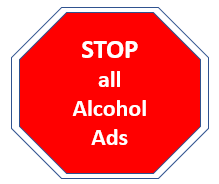
Stop all alcohol advertising
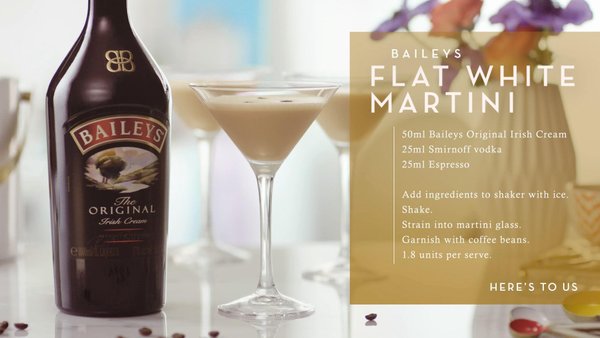
Baileys Prize
@BaileysPrize 12 minutes agoCan’t make it to our Best of Best Live event? Watch the live stream with a Baileys in hand: http://bit.ly/1f5tcyf
If you drink heavily and regularly you’re likely to develop some symptoms of depression. It’s that good old brain chemistry at work again. Regular drinking lowers the levels of serotonin in your brain – a chemical that helps to regulate your mood.
In Britain, people who experience anxiety or depression are twice as likely to be heavy or problem drinkers. For some people, the anxiety or depression came first and they’ve reached for alcohol to try to relieve it. For others, drinking came first, so it may be a root cause of their anxieties (2).
Drinking heavily can also affect your relationships with your partner, family and friends. It can impact on your performance at work. These issues can also contribute to depression.
If you use drink to try and improve your mood or mask your depression, you may be starting a vicious cycle…
Warning signs that alcohol is affecting your mood include:
How does alcohol affect your sleep? Tips for a restful night
1. Use exercise and relaxation to tackle stress instead of alcohol.
2. Learn breathing techniques to try when you feel anxious.
3. Talk to someone about your worries. Don’t try and mask them with alcohol.
4. Always be aware of why you’re drinking. Don’t assume it will make a bad feeling go away, it’s more likely to exaggerate it.

@Drizly The official bourbon of Halloween

Coors Light México
@coorslightmx 2 hours ago¡Ellos subastaron en nuestra Store y ganaron un viaje al
#AmericanSummer en Puerto Rico!
Our brains rely on a delicate balance of chemicals and processes. Alcohol is a depressant, which means it can disrupt that balance, affecting our thoughts, feelings and actions – and sometimes our long-term mental health. This is partly down to ‘neurotransmitters’, chemicals that help to transmit signals from one nerve (or neuron) in the brain to another.
The relaxed feeling you can get when you have that first drink is due to the chemical changes alcohol has caused in your brain. For many of us, a drink can help us feel more confident and less anxious. That’s because it’s starting to depress the part of the brain we associate with inhibition.
But, as you drink more, more of the brain starts to be affected. It doesn’t matter what mood you’re in to start with, when high levels of alcohol are involved, instead of pleasurable effects increasing, it’s possible that a negative emotional response will take over. You could become angry, aggressive, anxious or depressed.

#FlashBackFriday one of our favourite moments from the J&B Met.We see you@JimmyNevis@tracylrosslind @laurenashpar…

See you at the front.

To celebrate Halloween we’ve dug out this 1989 advert from
@johnniewalker_#diageoarchive#halloween

 Mindaware