
Signing off by celebrating tonight with
@Budweiser!Thanks for following yall!#wmebudbash#CMAawards#ThisBudsForYou
Stop all alcohol advertising
Signing off by celebrating tonight with
@Budweiser!Thanks for following yall!#wmebudbash#CMAawards#ThisBudsForYou
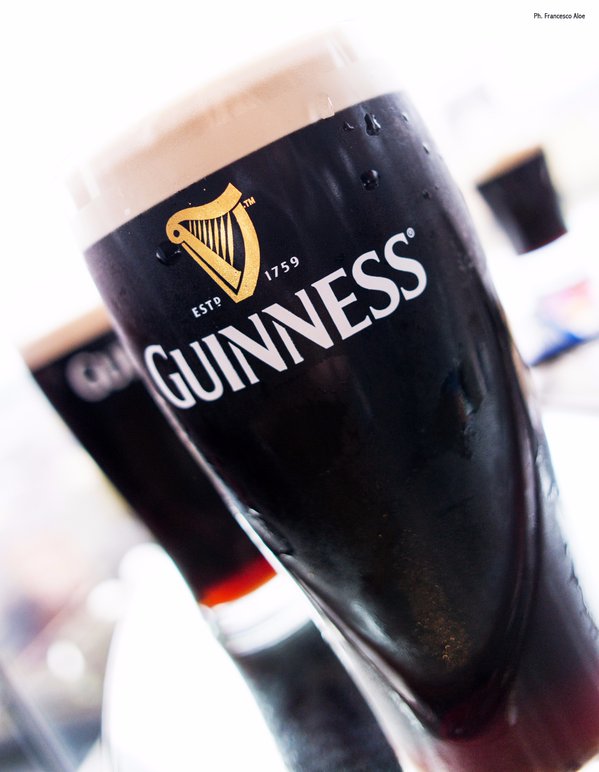
Finish this iconic Guinness catchphrase: Good things come to those who _________. [Image Credit: Francesco Aloe]

Jim Beam Retweeted
Drink Recipe of the Week:
@JimBeam AppleHighball
#jimbeam#recipes http://bit.ly/20sXJwq
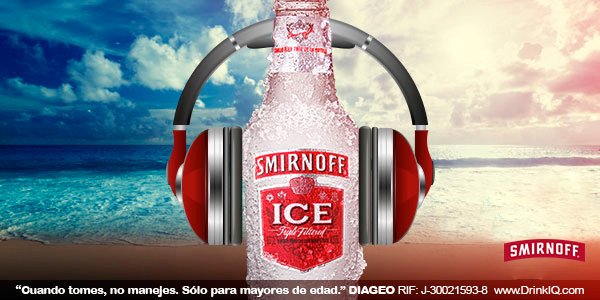
Smirnoff Venezuela
@Smirnoff_Ve 10 minutes agoCuando 2 alemanes hacen música folktrónica, éste es el resultado http://bit.ly/1xMGNkl#SmirnoffPlay ¡enjoy!
Soon after drinking alcohol, your brain processes slow down and your memory can be impaired. After large quantities of alcohol, the brain can stop recording into the ‘memory store’. That’s why you can wake up the next day with a ‘blank’ about what you said or did and even where you were. This short-term memory failure or ‘black out’ doesn’t mean that brain cells have been damaged, but frequent heavy sessions can damage the brain because of alcohol’s effect on brain chemistry and processes.
Drinking heavily over a long period of time can also have long-term effects on memory. Even on days when you don’t drink any alcohol, recalling what you did yesterday, or even where you have been earlier that day, become difficult.
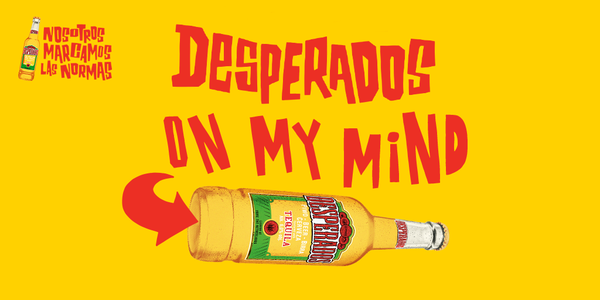
Desperados España
@Desperados_es 6 hours agoNo sé vosotros pero yo necesito unas vacaciones
Alcohol can make people lose their inhibitions and behave impulsively, so it can lead to actions they might not otherwise have taken – including self-harm and suicide (3).
According to the NHS in Scotland, more than half of people who ended up in hospital because they’d deliberately injured themselves said they’ve drunk alcohol immediately before or while doing it. 27% of men and 19% of women gave alcohol as the reason for self-harming (4).
Extreme levels of drinking (such as more than 30 units per day for several weeks) can occasionally cause ‘psychosis’. It’s a severe mental illness where hallucinations and delusions of persecution develop. Psychotic symptoms can also occur when very heavy drinkers suddenly stop drinking and develop a condition known as ‘delirium tremens’ – symptoms include body tremors and confusion.
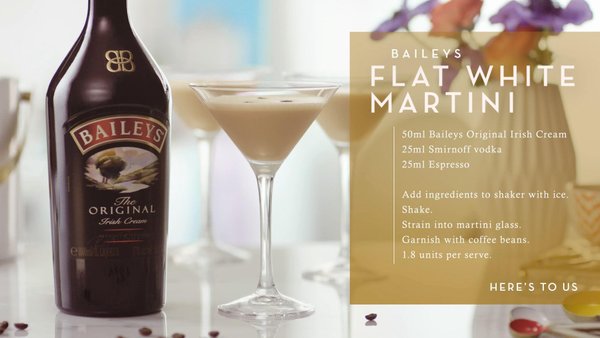
Baileys Prize
@BaileysPrize 12 minutes agoCan’t make it to our Best of Best Live event? Watch the live stream with a Baileys in hand: http://bit.ly/1f5tcyf

Johnnie Walker ID
@JohnnieWalkerID 12 minutes agoWalk with joy and attract more happiness. Karena apa yg kamu tanam adl yg akan kamu tuai.#JoyWillTakeYouFurtherID
 The Blueprint Style
 SMIRNOFF® Brasil
  Mindaware