-
One of the best places in the world deserves one of the best whiskies to celebrate it.
 Chivas Regal SA
Stop all alcohol advertising
One of the best places in the world deserves one of the best whiskies to celebrate it.

words for you and those that walk the road beside you
#LessOrdinaryWisdom
Guinness España Retweeted
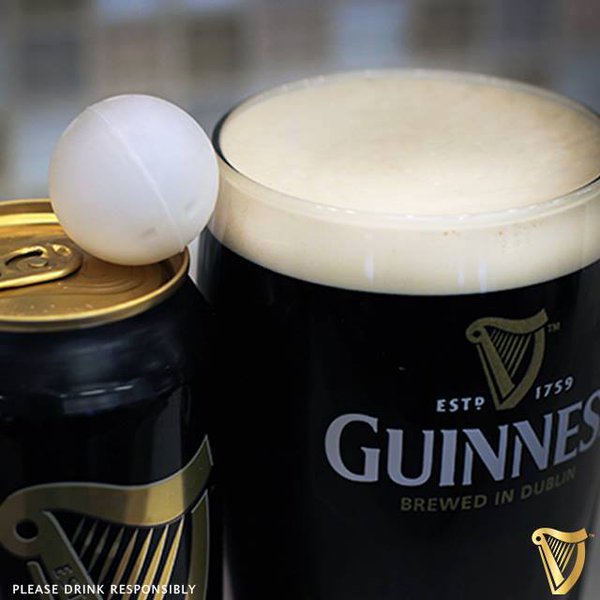
¿Sabes que la bola de las latas de
@Guinness_Spain Draught te permite disfrutarla como tirada en un bar?


Happy St Andrew’s Day. Let us all enjoy a wee dram.
#Ballantines
They have been set too high and fail to take into account new evidence showing that drinking only modest amounts raises the risk of cancer and other diseases.
The issue is investigated as part of a three-part You & Yours documentary into Government guidelines on alcohol, diet and exercise, being aired over the next three days (starting January 2) on BBC Radio 4.
The current guidelines recommend men should limit themselves to “three to four units a day”, which NHS information alikens to “not much more than a pint of strong lager, beer or cider”.
Women should not regularly drink more than “two to three units a day”, equivalent to “no more than a standard 175ml glass of wine”.
New research published last year suggests consumption should be much lower – perhaps just a quarter of a pint of beer daily.
Dr Michael Mosley, who looked into the matter for the radio documentary, found the guidelines were based on limited data on the harms of low to moderate level drinking.
They were formulated in 1987 by a Royal College of Physicians working party. In 2007 Richard Smith, one of the members of the group and a former editor of the British Medical Journal, was quoted as saying they could not say what a safe limit was, because of this lack of data.
“Those limits were really plucked out of the air,” he said.
“They were not based on any firm evidence at all. It was a sort of intelligent guess by a committee.”
Dr Mosley said the Government had “presented these guidelines as if they are about health, but they’re really not”.
“They’re more about behaviour, trying to stop you going out and crashing the car, or fighting,” he told The Times.
New evidence suggests regularly drinking only small amounts of alcohol can raise the risk of various cancers.
A Harvard University study, published in the Journal of the American Medical Association in 2011, found that women who drank just four small glasses of wine a week – about five units – increased their risk of developing breast cancer by 15 per cent compared to teetotallers.
Another study published that year estimated alcohol caused about 13,000 cancers a year – including 6,000 of the mouth and throat, 3,000 bowel cancer cases and 2,500 of breast cancer.
And last May, scientists published research recommending that people should cut their consumption to just 50ml of wine a day, or quarter of a pint of beer.
If everyone limited their intake in this way, 4,600 lives a year would be saved, they calculated, even after accounting for about 850 extra deaths from heart disease.
There would be 2,600 fewer deaths from cancer and almost 3,000 less from liver cirrhosis, they found.
Dr Nick Sheron, a liver specialist at Southampton University, said: “The problem I have with the Government advice is that is normalises the fact that it’s OK to have a drink on a daily basis, when that’s really not the case.”
Dame Sally Davies, the Chief Medical Officer for England, is currently reviewing the evidence on the risks of drinking, said a Department of Health spokesman.
She said: “The health risks from alcohol rise as you drink more and there is some evidence that small amounts of alcohol can reduce some health risks.
“To look at whether the system is still helpful to people, the Chief Medical Officer is set to review the alcohol consumption guidelines.”
By Stephen Adams, Medical Correspondent
1.49PM GMT 01 Jan 2013
http://www.telegraph.co.uk/news/health/news/9774223/Alcohol-guidelines-too-high-say-doctors.html

Get ready for some
#festivefun with Maker’s eggnog, a true#festive drink to get you in the#Christmas mood

The idea that drinking small amounts of alcohol will do you no harm is a myth, claims Professor David Nutt
Last week I attended a discussion group chaired by the Observer’s health correspondent Denis Campbell where one of the other experts, a public health doctor, asserted that alcohol should be treated differently from tobacco (and by inference other drugs) because there is no safe dose of tobacco whereas alcohol is safe until a person’s drinking gets to “unsafe” levels. Its health benefits for the cardiovascular system are also often used to support the claim that in low doses alcohol is safe, for how else could it be health-promoting?
The myth of a safe level of drinking is a powerful claim. It is one that many health professionals appear to believe in and that the alcohol industry uses to defend its strategy of making the drug readily available at low prices. However, the claim is wrong and the supporting evidence flawed.
There is no safe dose of alcohol for these reasons:
We must not allow apologists for this toxic industry to pull the wool over our eyes with their myth of a safe alcohol dose, however appealing it might be to all us so-called “safe” drinkers. Remember these words of a man whose great family wealth and influence was built on illegal alcohol:
“The great enemy of the truth, is very often not the lie – deliberate, contrived and dishonest – but the myth – persistent, persuasive and unrealistic. Belief in myths allows the comfort of opinion without the discomfort of thought.” John F Kennedy
David Nutt is professor of neuropsychopharmacology at Imperial College London and chairs the Independent Scientific Committee on Drugs
http://www.theguardian.com/science/2011/mar/07/safe-level-alcohol-consumption

We all know that Jack was a generous man… So, to celebrate the Spirit of Jack this festive season, we’re giving away cool Old No.7 prizes to you and a friend – because Jack, after all, tastes better when shared with others! Check in on Monday to find how you can WIN. #JacksFestiveSpirit
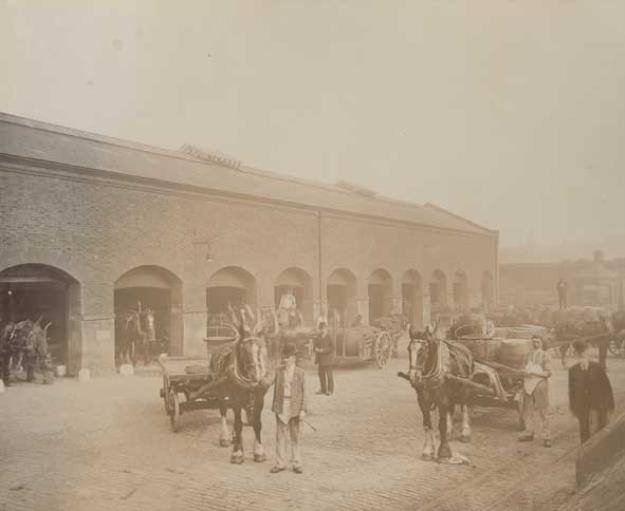
Did you know? The brewery draymen who worked at St. James’s Gate were responsible for delivering Guinness in and around Dublin using the famous horse and carts. A drayman had to be under 34 years of age, his work day started at 6am and he was responsible for daily grooming of his horse.
 HEINEKEN España

