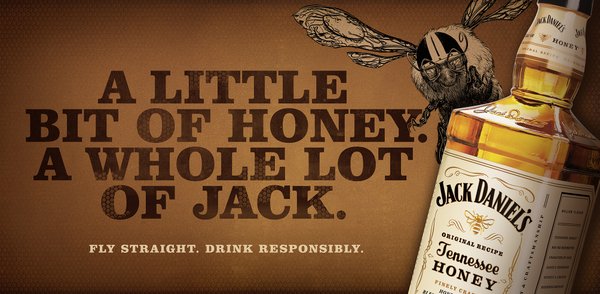
Tennessee Honey. Unmistakably Jack. Join the swarm.
#JackHoney#DrinkResponsibly
Stop all alcohol advertising
Tennessee Honey. Unmistakably Jack. Join the swarm.
#JackHoney#DrinkResponsibly

Why do we mellow each drop through ten feet of charcoal? Because Mr. Jack did. #borntomakewhiskey
We talk to our Chief Medical Advisor, Professor Paul Wallace to find out the facts about alcohol and breast cancer.
When asked to name the main health effects of drinking too much alcohol, many people will first say liver disease. Others will mention heart disease. Some will name mental health issues. Cancers are often low down on the public’s alcohol effects list.
But they shouldn’t be – especially breast cancer.
It is clear from a number of large scale studies that there is a link between alcohol consumption and cancer. Globally, one in five (21.6%) of all alcohol-related deaths are due to cancer. (1) And breast cancer is the most common cancer among women (2) and second only to lung cancer as a cause of cancer death in women. (3)
Professor Paul Wallace, Drinkaware’s Chief Medical Advisor, believes that more people should know that alcohol can increase women’s risk of getting breast cancer.
“My impression is that my patients don’t know about the link between alcohol and breast cancer any more than they do about the association between alcohol and fertility. We can do more to increase awareness.”
We spoke to Professor Wallace to get the facts about alcohol and breast cancer and learnt that:
Although alcohol does increase the risk, taken with all the other factors, its contribution to overall causation of breast cancer is estimated to be about 4%. The advice is that if you do regularly drink it should be within the government’s lower risk guidelines.

Jim Beam Retweeted
Drink Recipe of the Week:
@JimBeam AppleHighball
#jimbeam#recipes http://bit.ly/20sXJwq
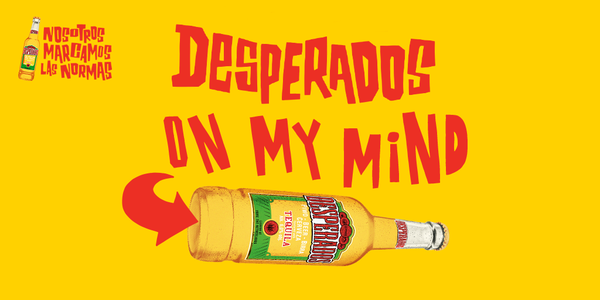
Desperados España
@Desperados_es 6 hours agoNo sé vosotros pero yo necesito unas vacaciones

@Drizly The official bourbon of Halloween
Our brains rely on a delicate balance of chemicals and processes. Alcohol is a depressant, which means it can disrupt that balance, affecting our thoughts, feelings and actions – and sometimes our long-term mental health. This is partly down to ‘neurotransmitters’, chemicals that help to transmit signals from one nerve (or neuron) in the brain to another.
The relaxed feeling you can get when you have that first drink is due to the chemical changes alcohol has caused in your brain. For many of us, a drink can help us feel more confident and less anxious. That’s because it’s starting to depress the part of the brain we associate with inhibition.
But, as you drink more, more of the brain starts to be affected. It doesn’t matter what mood you’re in to start with, when high levels of alcohol are involved, instead of pleasurable effects increasing, it’s possible that a negative emotional response will take over. You could become angry, aggressive, anxious or depressed.

See you at the front.

To celebrate Halloween we’ve dug out this 1989 advert from
@johnniewalker_#diageoarchive#halloween
 The Blueprint Style
 Mindaware