We all know that Jack was a generous man… So, to celebrate the Spirit of Jack this festive season, we’re giving away cool Old No.7 prizes to you and a friend – because Jack, after all, tastes better when shared with others! Check in on Monday to find how you can WIN. #JacksFestiveSpirit
Alcohol causes mouth cancer & gum disease
- Alcohol irritates all the soft tissue in the mouth and decreases the amount of natural saliva. In terms of the tissue, the skin of the mouth is very delicate and the alcohol is corrosive to the gums, cheeks and skin. It can affect the way the tissue cells divide, which is why people who drink heavily have a greater chance of getting mouth or throat cancer.
- Gum disease causes teeth to get loose within the gum. The gum erodes and can no longer support the teeth. Drinking causes dry mouth. Saliva is a natural healing property that helps to fight bacteria. When the mouth is dry, bacteria grows, which breaks down the gums, and jeopardizes the teeth.
- Alcohol causes irritation to the gum tissue. Those individuals who are involved in substance abuse tend to have poor dental hygiene habits. This makes them far more prone to such problems.
- Heavy drinkers tend to eat poorly, and this leads to nutritional deficiencies which opens the door for all types of disease to arise. These deficiencies in diet can also lower the effectiveness of the immune system and increase the likelihood of developing gum disease.
- Alcohol is often used in chemistry as a drying agent, and it does the same for your mouth when you consume alcoholic beverages. In addition to reducing saliva, it also creates a more acidic environment in your mouth, which can soften enamel. Add to that the high sugar level in many types of alcohol, especially sweet liqueurs, and it’s easy to see why alcohol can damage your teeth.
- Alcohol, even just a glass of wine, is also acidic and can erode the teeth.
Guinness selling alcohol for ages
Did you know? The brewery draymen who worked at St. James’s Gate were responsible for delivering Guinness in and around Dublin using the famous horse and carts. A drayman had to be under 34 years of age, his work day started at 6am and he was responsible for daily grooming of his horse.
Man & bottle of Jack Daniel’s, alcohol poisoning.
Where there’s smoke there’s Jack.
Jack Daniel’s 40% alcohol by Brown Forman
Alcohol and diabetes
Drinking alcohol can contribute to the conditions that cause diabetes
There are three main ways drinking alcohol to excess can be a factor in causing diabetes:
1.Heavy drinking can reduce the body’s sensitivity to insulin, which can trigger type 2 diabetes (7).
2.Diabetes is a common side effect of chronic pancreatitis, which is overwhelmingly caused by heavy drinking.
3.Alcohol contains a huge amount of calories – one pint of lager can be equivalent to a slice of pizza. So drinking can also increase your chance of becoming overweight and your risk of developing type 2 diabetes (8).
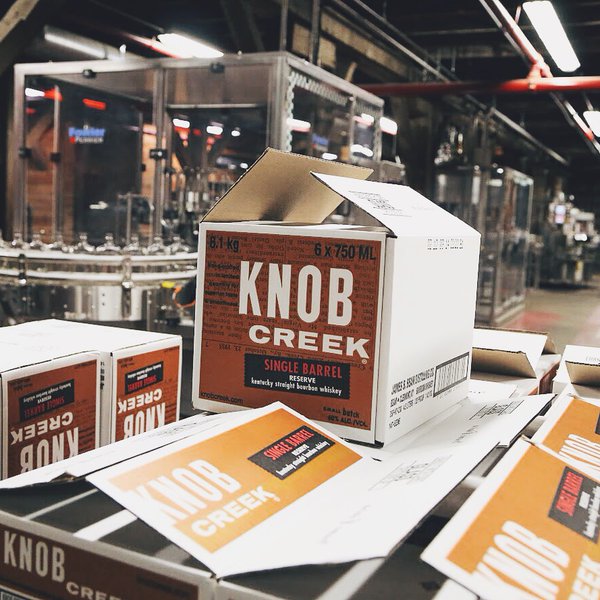
Knob Creek 50% alcohol by Beam Suntory
When “A Case of the Mondays” isn’t too bad.
Made of black, made of more, made of alcohol.
Alcohol and sugar
How much sugar is in alcohol and how does it affect the body?
The fact that alcoholic drinks are full of empty calories and have no nutritional value is bad news for your waistline, but what many people don’t consider is that they’re also full of sugar.
A pint of cider can contain as many as five teaspoons of sugar – almost as much as the World Health Organisation recommends that you do not exceed per day! (1) What’s more, alcohol can negatively alter blood sugar levels, putting heavy drinkers at increased risk of diabetes.
How sugar affects your body
Too much sugar is bad for your heath in a number of ways. Firstly, it’s very high in calories, and excessive consumption can lead to unhealthy weight gain. Being overweight can make you more susceptible to long term health problems, including life threatening illnesses such as heart disease. A high-sugar diet can also lead to type 2 diabetes, which occurs when a person’s blood sugar levels are too high.
Quite apart from the damage it can do to your body, sugar is also the main cause of tooth decay, which can lead to cavities if left untreated.
Sugar in alcohol
According to the NHS, alcoholic drinks account for 11% of the UK population’s daily intake of added sugar. Despite this, many people forget to factor in what they drink when calculating daily sugar intake. All alcoholic beverages contain some sugar, but Dr Sarah Jarvis, a member of Drinkaware’s medical panel, identifies fortified wines, sherries, liqueurs and cider as being particular causes of excessive consumption. It’s also important to consider what you’re mixing your drinks with, as the carbonated drinks popular with spirits are often very high in sugar.
Alcohol and blood sugar
However, it’s not only the high sugar content of alcohol that can affect your body – drinking to excess has also been shown to have a negative effective on blood sugar.
When a person drinks alcohol, the body reacts to it as a toxin, and channels all energy into expelling it. This means that other processes are interrupted – including the production of glucose and the hormones needed to regulate it. This is most noticeable in heavy drinkers, as over time drinking too much alcohol decreases the effectiveness of insulin, which leads to high blood sugar levels.
Alcohol also affects blood sugar levels each time it’s consumed, which means occasional drinkers can also be negatively impacted. Alcohol consumption causes an increase in insulin secretion, which leads to low blood sugar (otherwise known as hypoglycaemia). This causes light headedness and fatigue, and is also responsible for a host of longer term health problems.


Jack Daniel’s UK 

Guinness España