
SKYY Vodka SA Retweeted
#TrendingThirstDays // Thur, 19 Nov //#Recap cc@Cocoonloungejhb@Skyyvodkasa
Stop all alcohol advertising
SKYY Vodka SA Retweeted
#TrendingThirstDays // Thur, 19 Nov //#Recap cc@Cocoonloungejhb@Skyyvodkasa
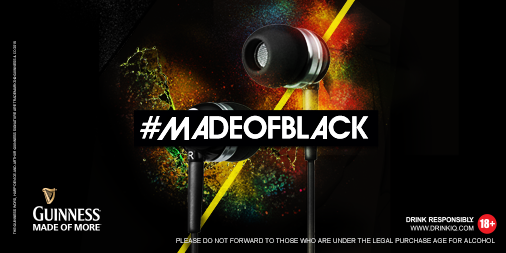
So
@Olamide_YBNL is up for two awards at tonight’s All Africa Music Awards. Good luck, Baddo Sneh!#MadeOfBlack
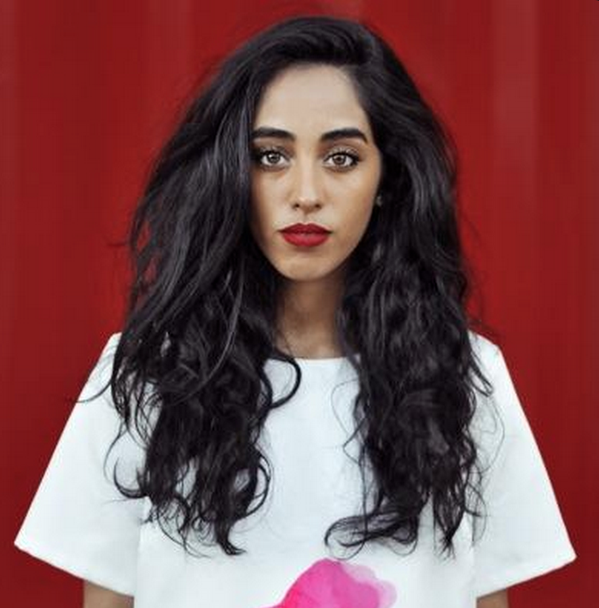
Our
#WCW is a#RareBlend. Stylist and writer@Zakirah_Rabaney. We love how you make high fashion accessible!
Our brains rely on a delicate balance of chemicals and processes. Alcohol is a depressant, which means it can disrupt that balance, affecting our thoughts, feelings and actions – and sometimes our long-term mental health. This is partly down to ‘neurotransmitters’, chemicals that help to transmit signals from one nerve (or neuron) in the brain to another.
The relaxed feeling you can get when you have that first drink is due to the chemical changes alcohol has caused in your brain. For many of us, a drink can help us feel more confident and less anxious. That’s because it’s starting to depress the part of the brain we associate with inhibition.
But, as you drink more, more of the brain starts to be affected. It doesn’t matter what mood you’re in to start with, when high levels of alcohol are involved, instead of pleasurable effects increasing, it’s possible that a negative emotional response will take over. You could become angry, aggressive, anxious or depressed.
It may sound a bit sexist, but it’s simple biology.
The government advises that people should not regularly drink more than the lower risk guidelines of 3-4 units of alcohol for men (equivalent to a pint and a half of 4% beer) and 2-3 units of alcohol for women (equivalent to a 13% ABV 175 ml glass of wine).
Women are advised to drink less because, in general, their bodies don’t process alcohol as efficiently as men’s.
Women start to have alcohol-related problems at lower drinking levels than men do. They tend to absorb more alcohol and take longer to break it down and remove it from their bodies. So, when drinking equal amounts, women will have higher alcohol levels in their blood than men, and the immediate effects happen quicker and last longer.
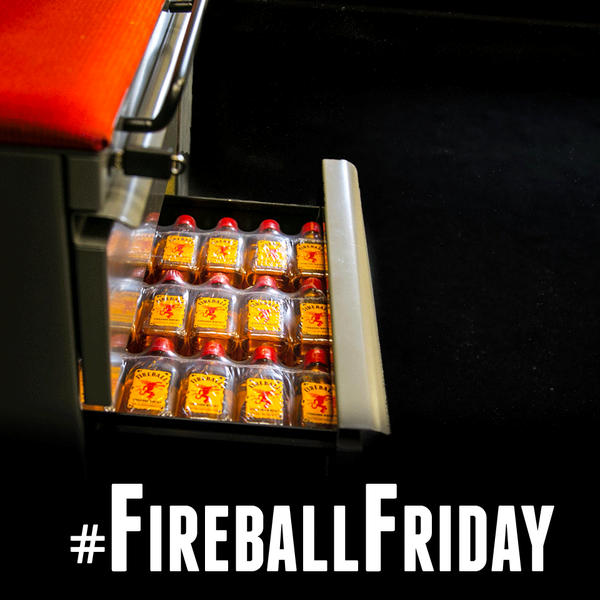
File under “F” for….
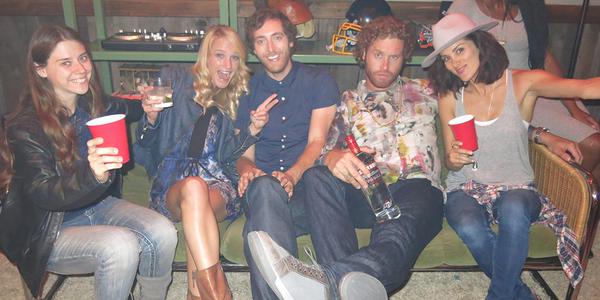
Smirnoff US Retweeted
Party’s more fun when it’s
#paid for and everybody’s invited. Or we just invite ourselves.#ExclusivelyForEverybody
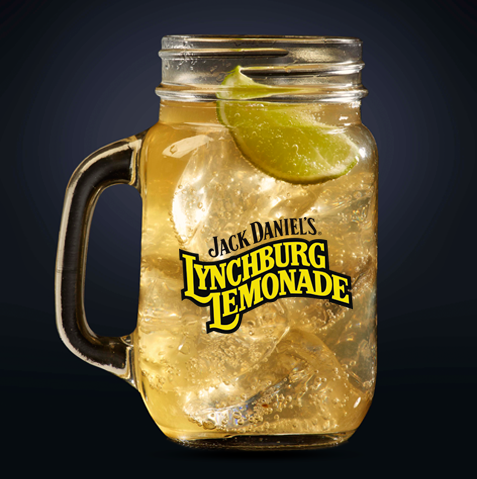
Lynchburg Lemonade – idealny wstęp do sobotniego wieczoru.

Kick off the match with a toast to Green and Gold. Raise your trophy!
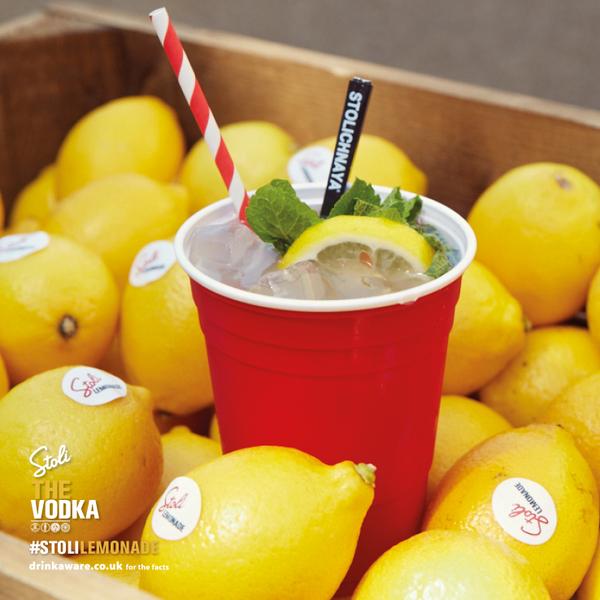
When life gives you lemons
, make a
#StoliLemonade.
 #TrendingThirstDays
  Thomas Middleditch
 Mindaware