3. Alcohol depression = a vicious cycle
If you drink heavily and regularly you’re likely to develop some symptoms of depression. It’s that good old brain chemistry at work again. Regular drinking lowers the levels of serotonin in your brain – a chemical that helps to regulate your mood.
In Britain, people who experience anxiety or depression are twice as likely to be heavy or problem drinkers. For some people, the anxiety or depression came first and they’ve reached for alcohol to try to relieve it. For others, drinking came first, so it may be a root cause of their anxieties (2).
Drinking heavily can also affect your relationships with your partner, family and friends. It can impact on your performance at work. These issues can also contribute to depression.
If you use drink to try and improve your mood or mask your depression, you may be starting a vicious cycle…
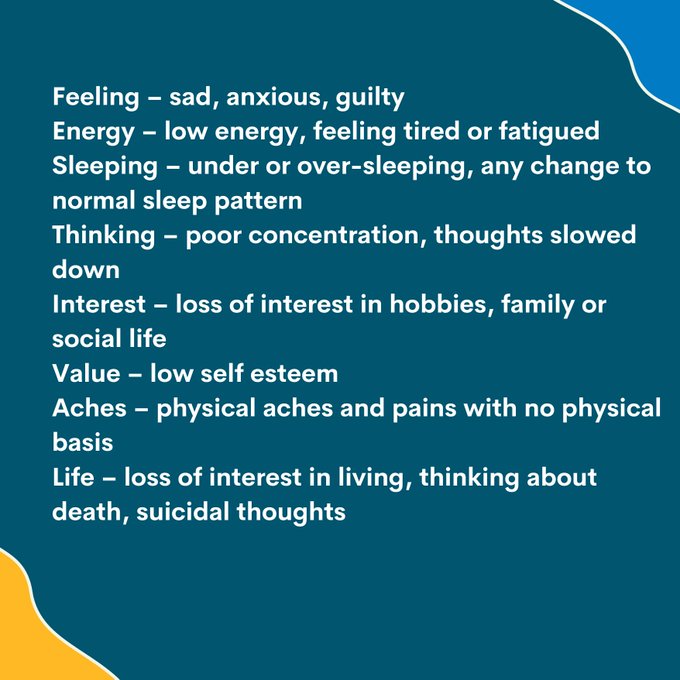
Warning signs that alcohol is affecting your mood include:
How does alcohol affect your sleep? Tips for a restful night
Four ways to help prevent alcohol affecting your mood
1. Use exercise and relaxation to tackle stress instead of alcohol.
2. Learn breathing techniques to try when you feel anxious.
3. Talk to someone about your worries. Don’t try and mask them with alcohol.
4. Always be aware of why you’re drinking. Don’t assume it will make a bad feeling go away, it’s more likely to exaggerate it.
https://www.drinkaware.co.uk/


 Captain Morgan
  Mindaware