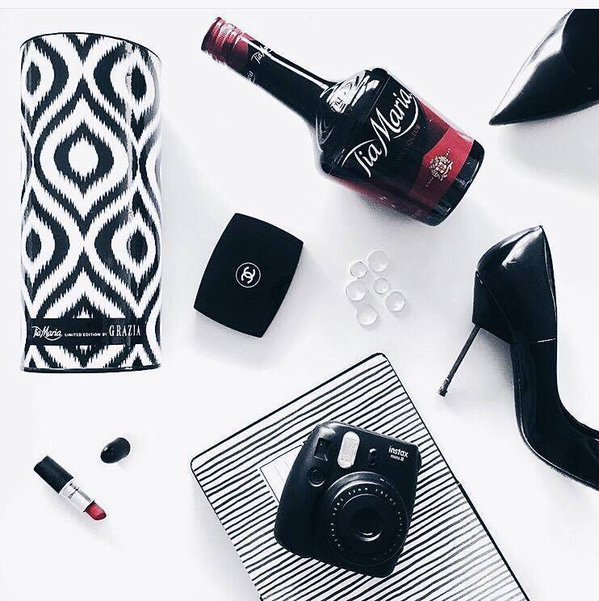
The first night out of #2016 with your girls isn’t the same without the newest
#TiaMariaxGrazia!@GraziaUK
Stop all alcohol advertising
The first night out of #2016 with your girls isn’t the same without the newest
#TiaMariaxGrazia!@GraziaUK

There was enough Guinness Africa Special for everyone! RT if you enjoyed
#TheSpecialOne at#OLIC2!
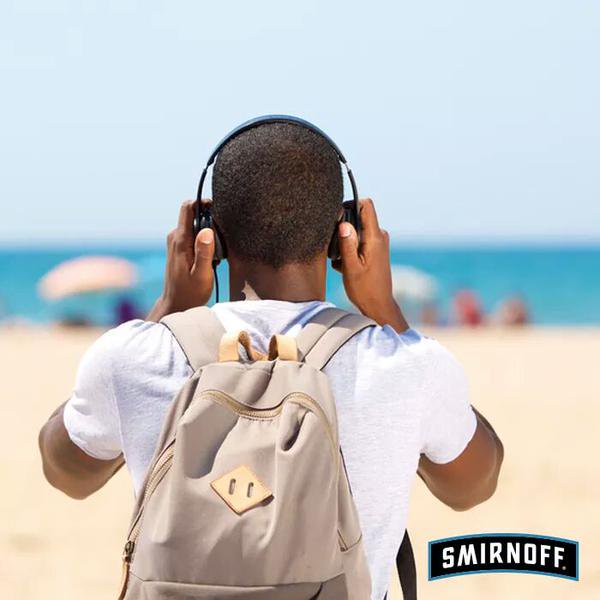
Music: ON World: OFF
#ExclusivelyForEverybod
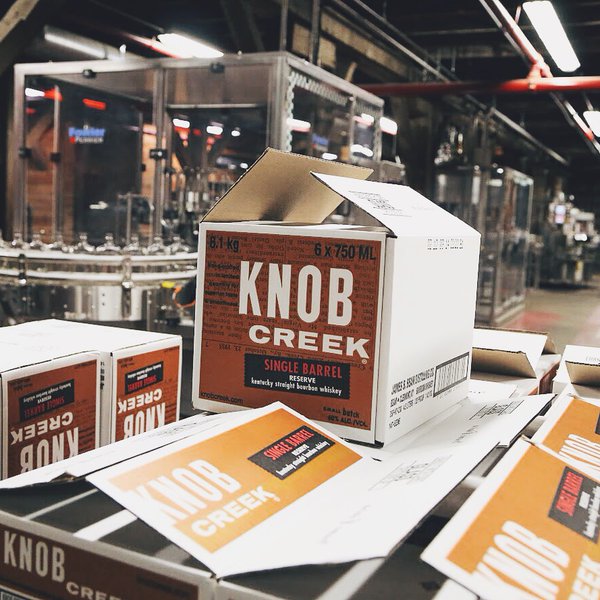
When “A Case of the Mondays” isn’t too bad.
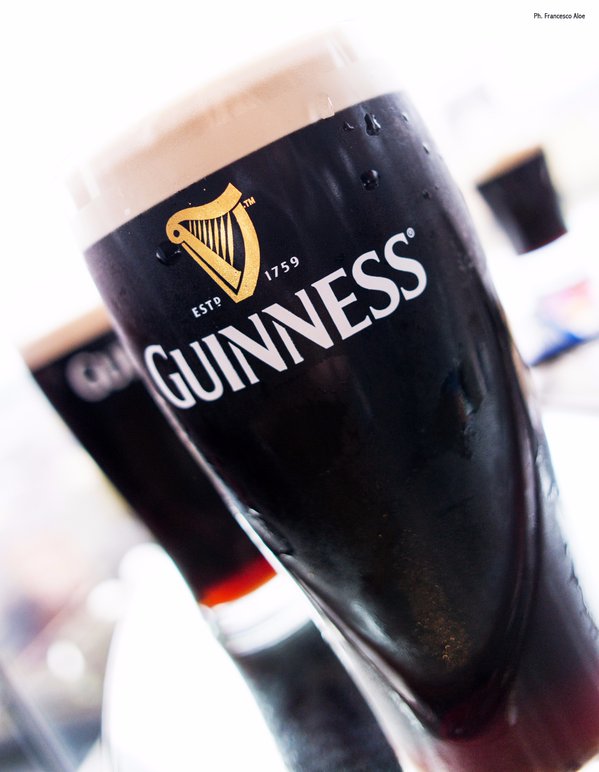
Finish this iconic Guinness catchphrase: Good things come to those who _________. [Image Credit: Francesco Aloe]

Jim Beam Retweeted
Drink Recipe of the Week:
@JimBeam AppleHighball
#jimbeam#recipes http://bit.ly/20sXJwq
Smirnoff Venezuela
@Smirnoff_Ve 10 minutes agoCuando 2 alemanes hacen música folktrónica, éste es el resultado http://bit.ly/1xMGNkl#SmirnoffPlay ¡enjoy!
Soon after drinking alcohol, your brain processes slow down and your memory can be impaired. After large quantities of alcohol, the brain can stop recording into the ‘memory store’. That’s why you can wake up the next day with a ‘blank’ about what you said or did and even where you were. This short-term memory failure or ‘black out’ doesn’t mean that brain cells have been damaged, but frequent heavy sessions can damage the brain because of alcohol’s effect on brain chemistry and processes.
Drinking heavily over a long period of time can also have long-term effects on memory. Even on days when you don’t drink any alcohol, recalling what you did yesterday, or even where you have been earlier that day, become difficult.
Desperados España
@Desperados_es 6 hours agoNo sé vosotros pero yo necesito unas vacaciones
 The Blueprint Style
  Mindaware